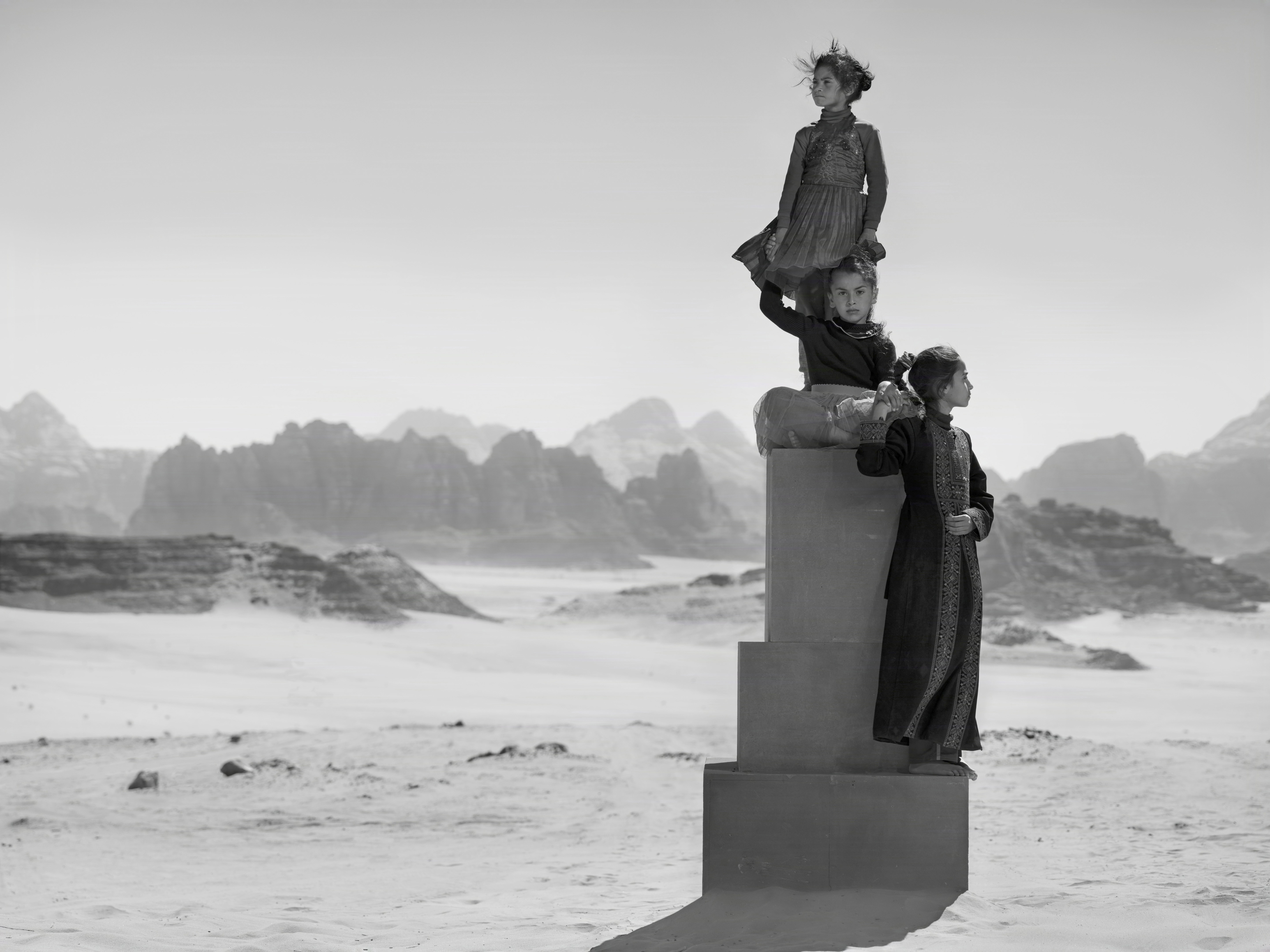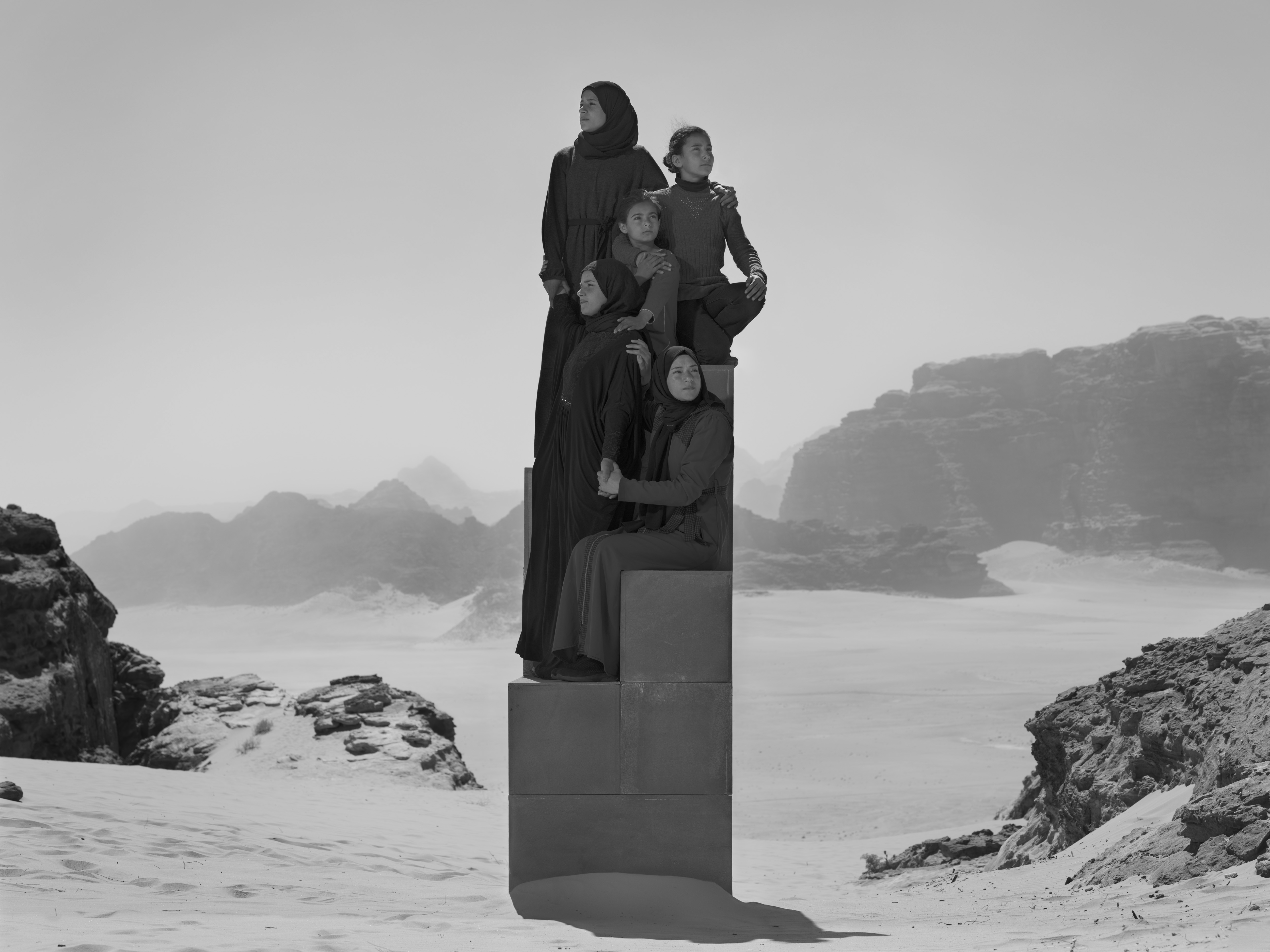
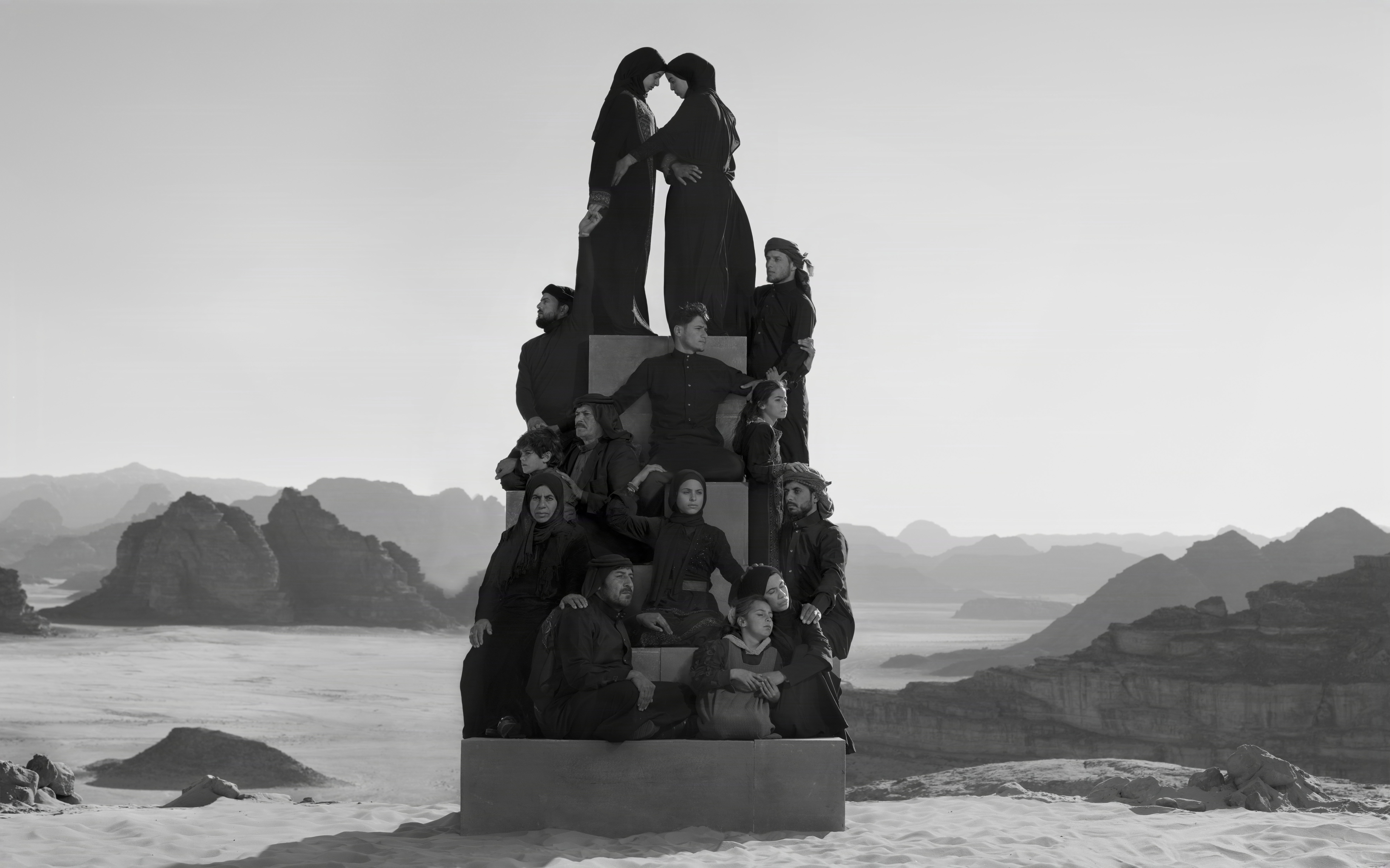
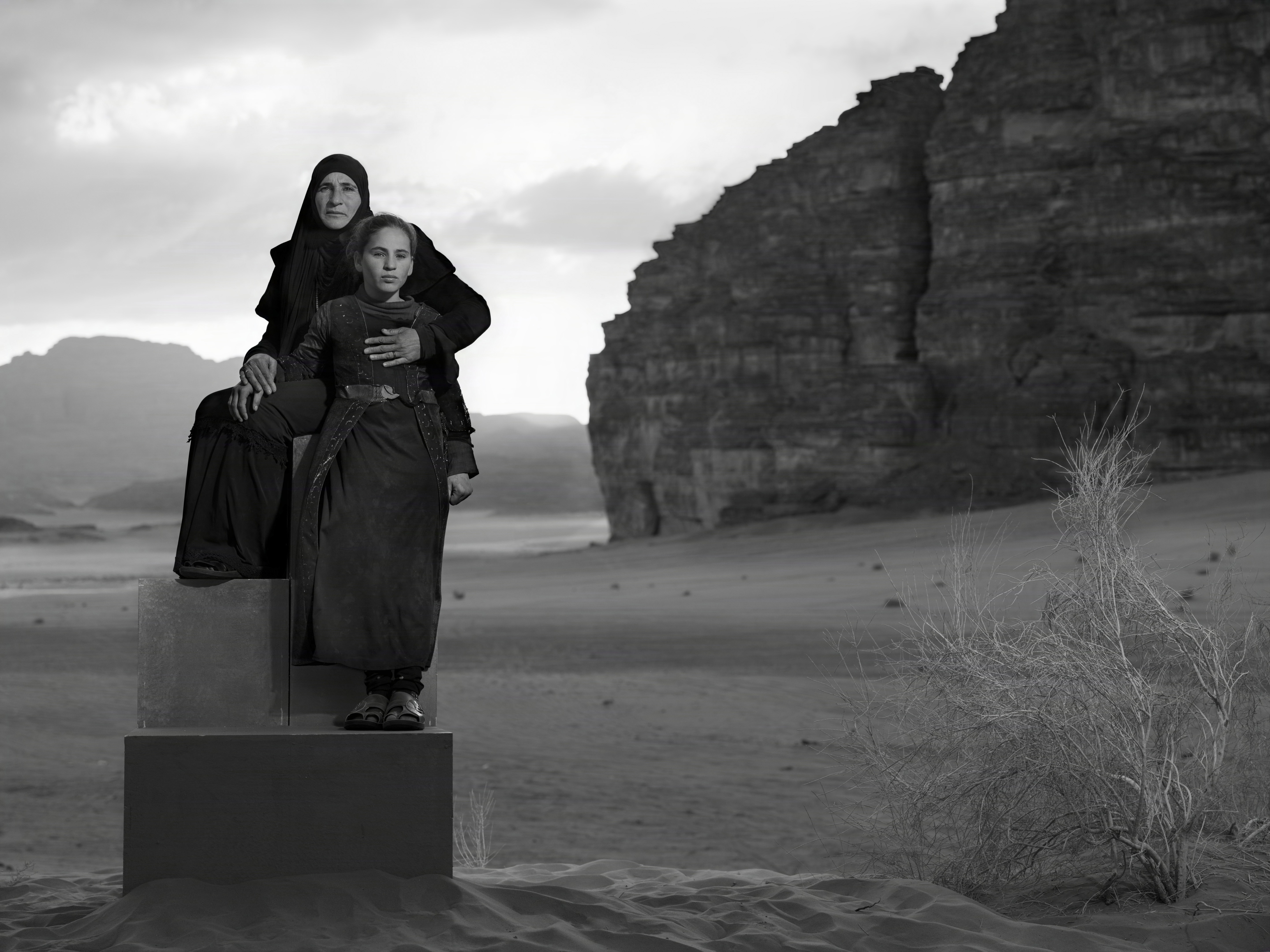
December 8, 2024.
This was the historic day when the brutal Syrian dictator Bashar al-Assad was over-thrown. On that day, it became possible for the people in these photographs to finally dream of being able to go home. However, for nearly all of them, their homes and land (and even trees) in Syria were destroyed during the war.
As I write in February 2025, most of them are still waiting to see what will happen with the new government in Syria, whether sufficient stability will be restored to give them enough sense of security to finally return home. And then when they get there, for many there is the enormous challenge of how to find the funds to rebuild. Their dream of a new life is a return to their old life.
And for me, there is another inescapable subtext to the work: the genocide in Gaza. To me, the strength and connection we see in the Syrian families is a reflection of those besieged families in Gaza.
At the end of each phase of shooting, the families were asked by us what it felt like to be photographed in this way. How does that make them feel?
Marooba said that, in her regular life, she feels like she doesn’t exist, but that during the shoot, “I feel like I do exist.”
Shaila says that when she was high up on the boxes, she thought that she has a story that needs to be told.
Kamal said that the experience made them “feel like we are truly human. We feel that we have worth.”
When asked what he would like viewers of the photos to know about them, Kamal replied: “To understand all the challenges that we have faced, that despite all the chal-lenges that we have been through, we are still standing.”
What we heard—as I did at the end of each shoot—is people telling us essentially the same thing: Thank you for hearing us. Thank you for seeing us.
Their reactions mean the most to me. Also, the reactions of the people from those countries and regions. But you, your reactions mean a lot to me as well. By mere virtue of having bought this book, the chances are that you are living a life of comparative comfort. My hope is that you see these people and feel them, feel their struggle and strength, something emblematic of all those beings—human and animal alike—im-pacted in dramatic, traumatic ways through no fault of their own.
Spread across the planet, there is a common link between the countries in which I have photographed this series so far: they all are among the countries that are the least re-sponsible for climate breakdown. Their global carbon emissions have been tiny com-pared to those of industrial nations. Yet, like so many other poorer countries in the world, they are disproportionately harmed by its effects. The grim irony is that many people in these countries are the most vulnerable to the calamitous consequences of the industrialized world’s ways.
There is a quote from the French writer Romain Rolland:
“Pessimism of the intellect, optimism of the will.”
Yes. In my head, analyzing the path that humanity is taking, I can only view our future with an exhausted pessimism and anxiety. But my heart beats with a refusal to surren-der. It beats with the belief that it is always worth fighting on. Our desire and will can overcome much while there is still hope and possibility.